
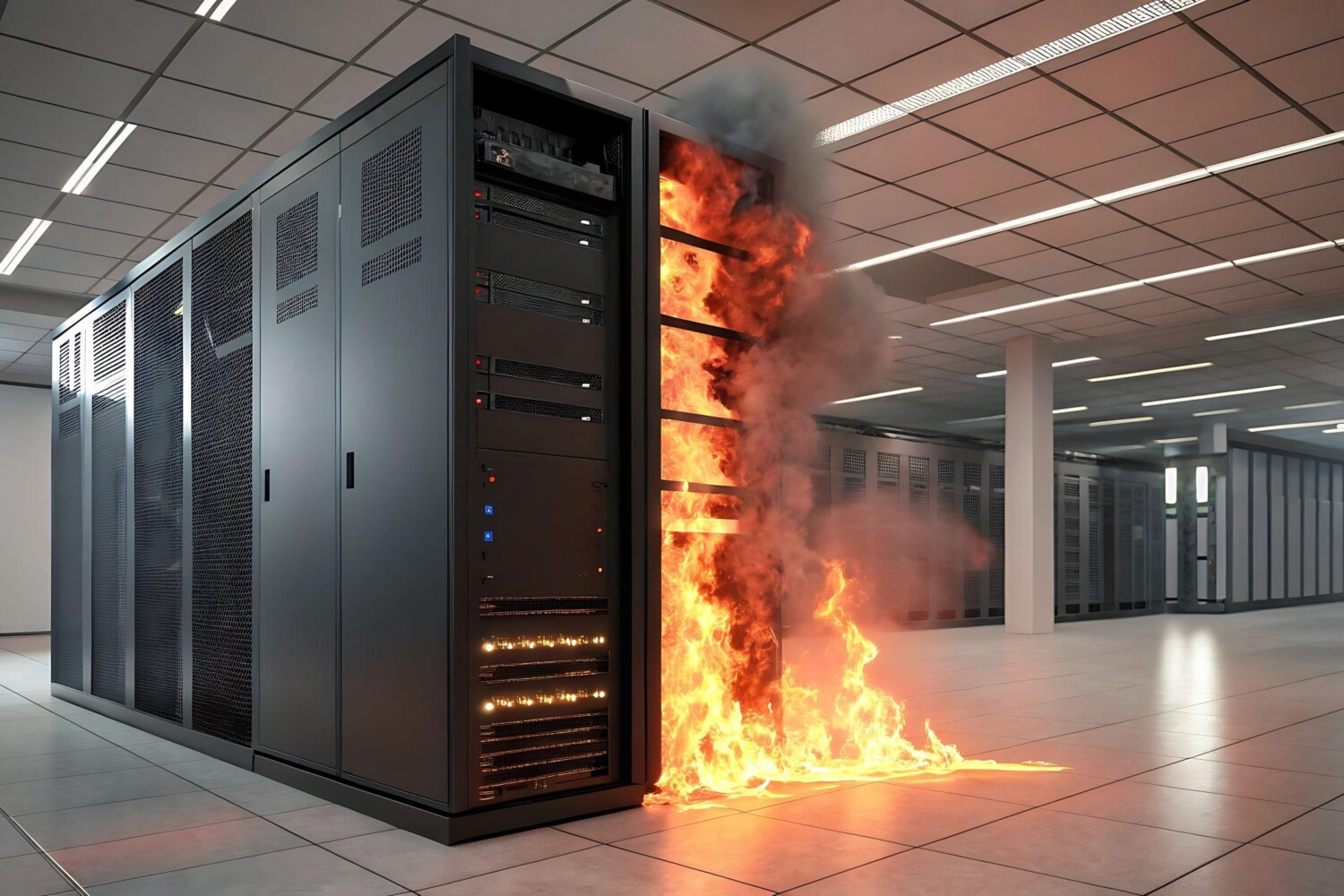
On the morning of October 20, 2025, a major Amazon Web Services (AWS) outage rippled across the internet. Dozens of popular websites and apps — from Snapchat and Ring to Venmo and Canva — went dark for several hours. The cause wasn’t a coding error or overloaded server, but a DNS resolution failure inside AWS’s us-east-1 region (Northern Virginia).
This incident revealed a hard truth about cloud computing’s biggest player: even global infrastructures can have a single point of failure.
What Actually Happened
AWS confirmed that the outage stemmed from DNS issues tied to DynamoDB API endpoints in the us-east-1 region. As those internal systems went down, many AWS services — EC2, Lambda, API Gateway, S3, and others — became unreachable.
Even though AWS spreads resources across multiple Availability Zones (AZs) in each region, the failure wasn’t isolated to one AZ. It struck the regional control plane, so every zone in us-east-1 was affected simultaneously. In other words, even companies using multi-AZ redundancy were still hit hard.
The Achilles’ Heel of AWS
Here’s the uncomfortable part: AWS’s DNS infrastructure and control plane are deeply tied to us-east-1. For historical reasons, that region acts as a hub for Route 53, DynamoDB, IAM, and even parts of CloudFormation and S3 management.
When us-east-1’s DNS has trouble, those dependencies can ripple across AWS’s global footprint. It’s the Achilles’ heel of an otherwise rock-solid platform — and the October outage made that crystal clear.
Why Replication and Redundancy Matter
Replication and redundancy are the antidotes to this kind of outage. By building copies of your application in other zones or regions, you can keep your site available even if one area goes offline.
1. Multi-AZ Redundancy (within one region)
This setup keeps your workload running across two or more data centers inside the same region. It protects against localized issues like power loss or hardware failure, and it’s simple to implement with load balancers and auto-scaling groups.
However, because all AZs share the same regional control plane, multi-AZ setups don’t protect you from regional DNS or control-plane failures — like what happened in us-east-1.
2. Multi-Region Redundancy (true resilience)
For full protection, you can replicate your application to another region — for example, us-west-2 in Oregon. With data replication and health checks in place, traffic can automatically shift to that backup region if your primary one fails.
The Real Cost of Staying Online
Many small businesses assume multi-region redundancy is expensive, but that’s not necessarily true. AWS only charges for compute time while an instance is running — so if your backup EC2 instance is powered off, there’s virtually no ongoing cost. You’ll just pay small amounts for storage (EBS volumes, snapshots, or S3 replication) and DNS health checks.
In practice, that means a small business website can have a complete backup stack sitting idle in another region — ready to launch automatically — for just a few dollars per month. When your primary region fails, the standby instance can power on automatically using a simple AWS Lambda trigger or CloudWatch alarm, restoring service in minutes without any manual intervention.
For most sites, this strategy offers near-enterprise uptime potential without doubling your cloud bill.
A Smarter DNS Strategy: Cloudflare + AWS
One of the biggest lessons from the outage is that your DNS shouldn’t live in the same place as your servers. If AWS Route 53 goes down, your DNS-based failover system could go down with it.
That’s why many architects now use Cloudflare for DNS while keeping their infrastructure in AWS. Cloudflare’s global anycast DNS network is entirely separate from Amazon’s, offering several major advantages:
-
Independent infrastructure: Cloudflare operates its own worldwide DNS edge network.
-
Fast failover: Health checks detect downtime and reroute traffic within seconds.
-
Smart integration: Cloudflare can still point to AWS load balancers or IPs — giving you total flexibility.
It’s the best of both worlds: AWS’s scalability with Cloudflare’s DNS resilience.
A Practical Blueprint for Resilience
If you’re running on AWS today, consider this modern resilience stack:
-
Primary Region: Multi-AZ deployment in us-east-1 (or your nearest region).
-
Secondary Region: Cold standby in us-west-2, with your EC2 instance powered off until needed.
-
Data Replication: Use S3 cross-region replication or DynamoDB global tables to keep content in sync.
-
DNS Layer: Use Cloudflare DNS with health checks and automatic failover.
-
Automation: Add CloudWatch and Lambda to power on backup resources automatically during outages.
This design provides both affordability and enterprise-grade reliability — ensuring that your website or app stays online even when AWS stumbles.
Final Thoughts
The October 2025 AWS outage proved that no cloud platform is immune to downtime. But with thoughtful architecture, your business doesn’t have to be at the mercy of a single region or provider. Redundant deployments, off-site DNS, and automated failover are the keys to true uptime.
At AJG Interactive, we help businesses design these high-availability solutions every day — keeping your brand online, fast, and resilient, no matter what happens behind the scenes.